Facebook
 X
X
 Pinterest
 Copy Link
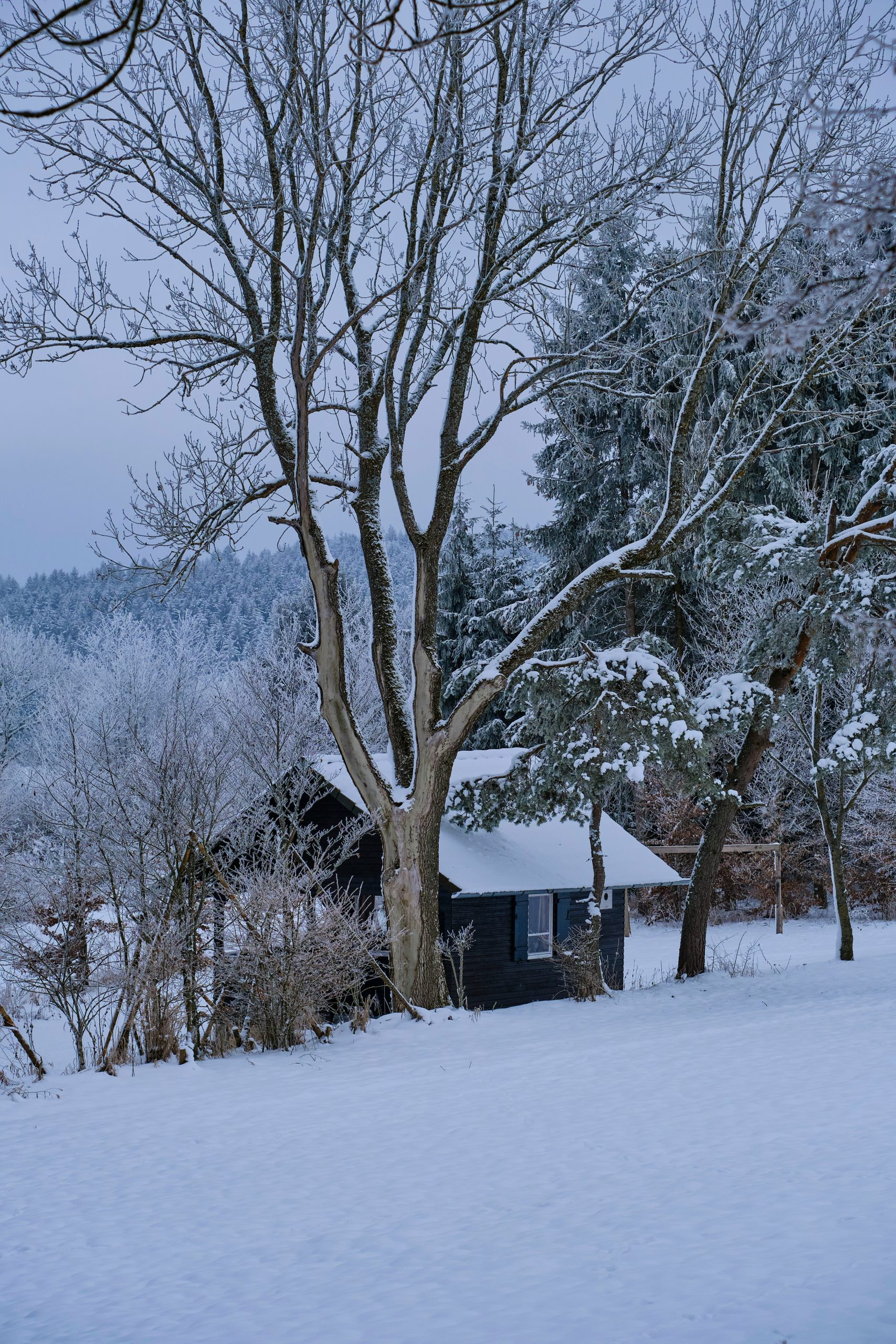
A properly winterized three-season cottage doesn’t need daily attention, but leaving it completely alone from November to April isn’t a good idea either. A once-a-month visit, or a check by someone you trust, is a reasonable baseline for most owners.
What to Look For
What you’re checking for is straightforward: signs of a break-in or storm damage, snow load on the roof, whether the exterior looks undisturbed, and whether anything has shifted or fallen. Heavy snow accumulation is worth watching in particular, since roofs on older cottages aren’t always built for the same load as a year-round home.
If your property is on a road that isn’t plowed in winter, or accessible only by snowmobile or boat once the lake freezes, monthly visits may not be practical. In that case, a local property watch service or a neighbour who lives there year-round can check in on your behalf, and some insurance policies actually require this kind of regular monitoring to keep coverage valid, so it’s worth reading your policy closely.
Consistency Matters More Than Frequency
The bigger risk with a three-season cottage isn’t usually a single missed month. It’s letting the whole winter go by unchecked. A small leak, an animal that’s gotten in, or a section of eavestrough that’s pulled away are all manageable if caught in January, and expensive if they’re not found until the spring opening.
Have more questions about buying or selling in the area? Visit my FAQ page for answers to what clients ask most.