Facebook
 X
 Pinterest
 Copy Link
Getting Your Driveway and Walkways Ready for Snow and Ice
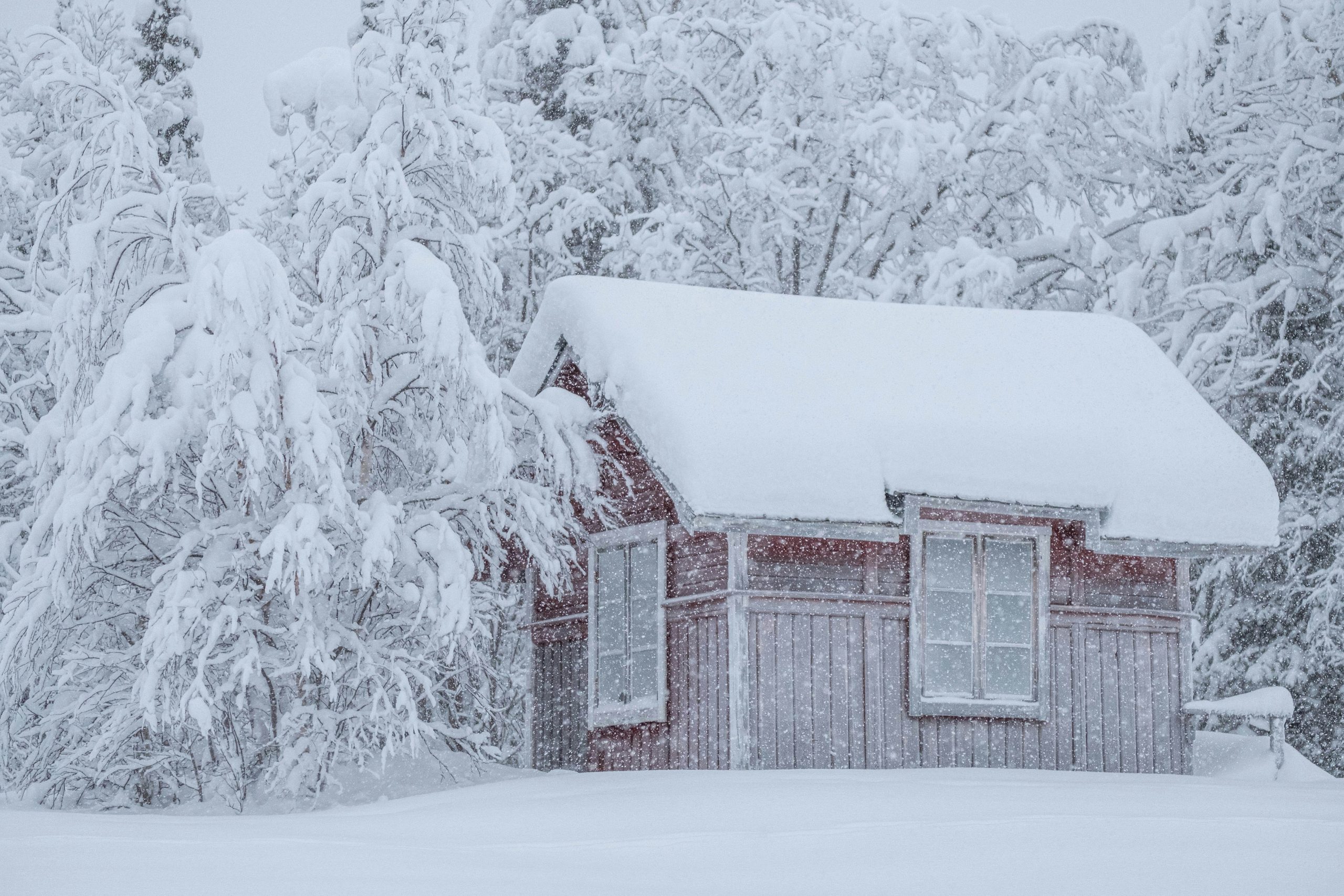
A bit of fall preparation on your driveway and walkways makes a real difference once the snow starts, both for safety and for how much work winter ends up being.
Prepping Your Driveway
If you have an asphalt driveway, fall is a good time to check for cracks and consider sealing, since water that gets into small cracks and freezes will widen them over the winter. Gravel driveways benefit from a fresh layer before the ground freezes, which helps with drainage and makes plowing or shovelling easier once snow arrives.
If you’re not doing it yourself, now is also the time to line up a snow removal contract, especially in rural areas where plow operators can book up quickly once the first snow falls. Waiting until after the first storm often means a longer wait or a higher price.
Don’t Forget the Walkways
Walkways deserve their own attention. Uneven pavers or cracked concrete are a bigger fall risk once they’re covered in snow or ice, so it’s worth doing any repairs while the ground is still workable. Stock up on ice melt or sand before you need it, and if you have pets, look for a pet-safe option, since some traditional ice melts can irritate paws.
Finally, mark the edges of your driveway with reflective stakes if it’s not obvious where the pavement ends, particularly useful for a plow operator, and for anyone pulling in after dark once the snowbanks start to build up.
Have more questions about buying or selling in the area? Visit my FAQ page for answers to what clients ask most.
Winter Power Outages: What to Have on Hand for a Rural or Waterfront Property
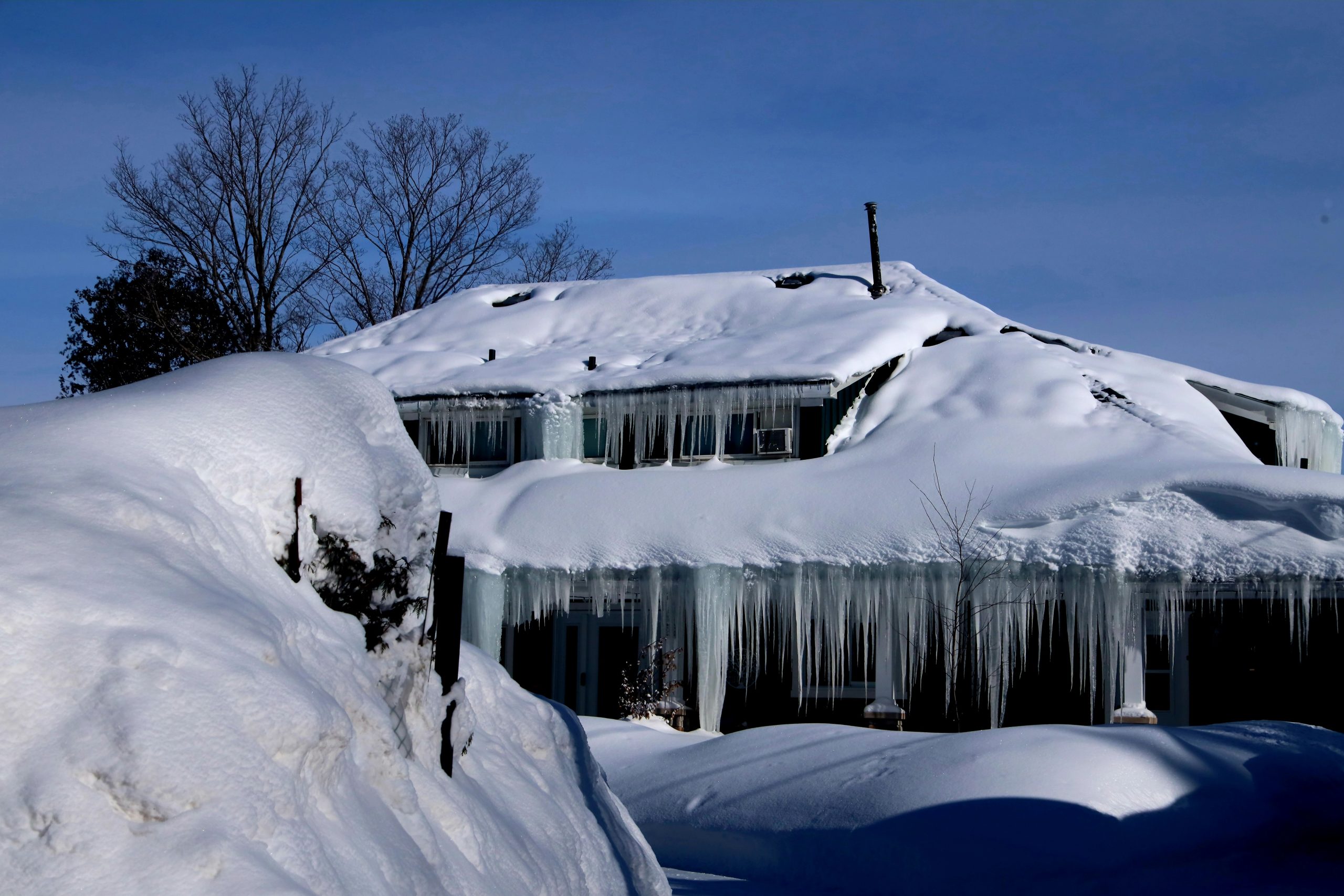
A power outage in the city is usually an inconvenience measured in hours. In a rural or waterfront area, a storm can mean a longer wait for restoration, especially if a private road makes access harder for utility crews. It’s worth being ready for both.
Staying Warm When the Power Goes Out
Heat is the first priority. If your primary heat source depends on electricity, it’s worth having a backup plan, whether that’s a wood stove, a propane heater rated for indoor use, or a generator sized to run your furnace’s blower motor. If you’re on a well, remember that most well pumps also run on electricity, so no power often means no running water too, which is easy to overlook until it happens.
A generator is a bigger decision than it might seem. Portable generators can run essentials like a fridge, sump pump, and some lighting, while a permanently installed standby generator can keep an entire home or cottage running automatically. Either way, it needs to be sized correctly and, for anything connected to your home’s wiring, installed with a proper transfer switch by a licensed electrician, never a generator run through a regular extension cord into an outlet.
What to Keep on Hand
Beyond equipment, keep the basics on hand: flashlights and batteries, a battery or crank radio, drinking water, and a few days of food that doesn’t need cooking. If you have a sump pump protecting a basement, a battery backup for it is worth the investment, since a power outage during a heavy rain or spring thaw is exactly when you need it most.
If you’re new to a rural or waterfront property, ask neighbours how often outages happen in the area and how long they typically last. That’s often the most realistic guide to how much backup you actually need.
Have more questions about buying or selling in the area? Visit my FAQ page for answers to what clients ask most.
Preventing Ice Dams: Why Gutters and Attic Insulation Matter
An ice dam forms when heat escaping from the attic warms the roof enough to melt snow, which then refreezes at the colder eaves and backs up under the shingles. It’s one of the more common sources of winter water damage, and it’s largely preventable.
Clean Gutters, Fewer Problems
Clean gutters are the first line of defence, since blocked eavestroughs give melting snow nowhere to go but back up under the roofline. But gutters alone won’t solve the underlying issue if your attic is losing heat unevenly. A roof that’s warm in the middle and cold at the eaves, rather than uniformly cold, is a sign that attic insulation or ventilation needs attention.
Insulation Makes the Difference
Proper attic insulation keeps heat where it belongs, inside the living space, rather than letting it escape upward and melt snow unevenly. Good attic ventilation matters just as much, since it keeps the underside of the roof at a consistent, cold temperature so snow melts evenly, or not at all, rather than in patches.
If ice dams have been a recurring problem, it’s worth having a contractor assess both insulation levels and ventilation together, rather than just adding heat cables to the roofline as a yearly patch. Heat cables can help in the short term, but they’re treating the symptom, not the cause.
This is especially worth checking on an older cottage or a home that’s had insulation added piecemeal over the years, since gaps and inconsistencies are common in older attics.
Have more questions about buying or selling in the area? Visit my FAQ page for answers to what clients ask most.
Sealing Drafts: Windows, Doors, and Weatherstripping Before the Cold Hits
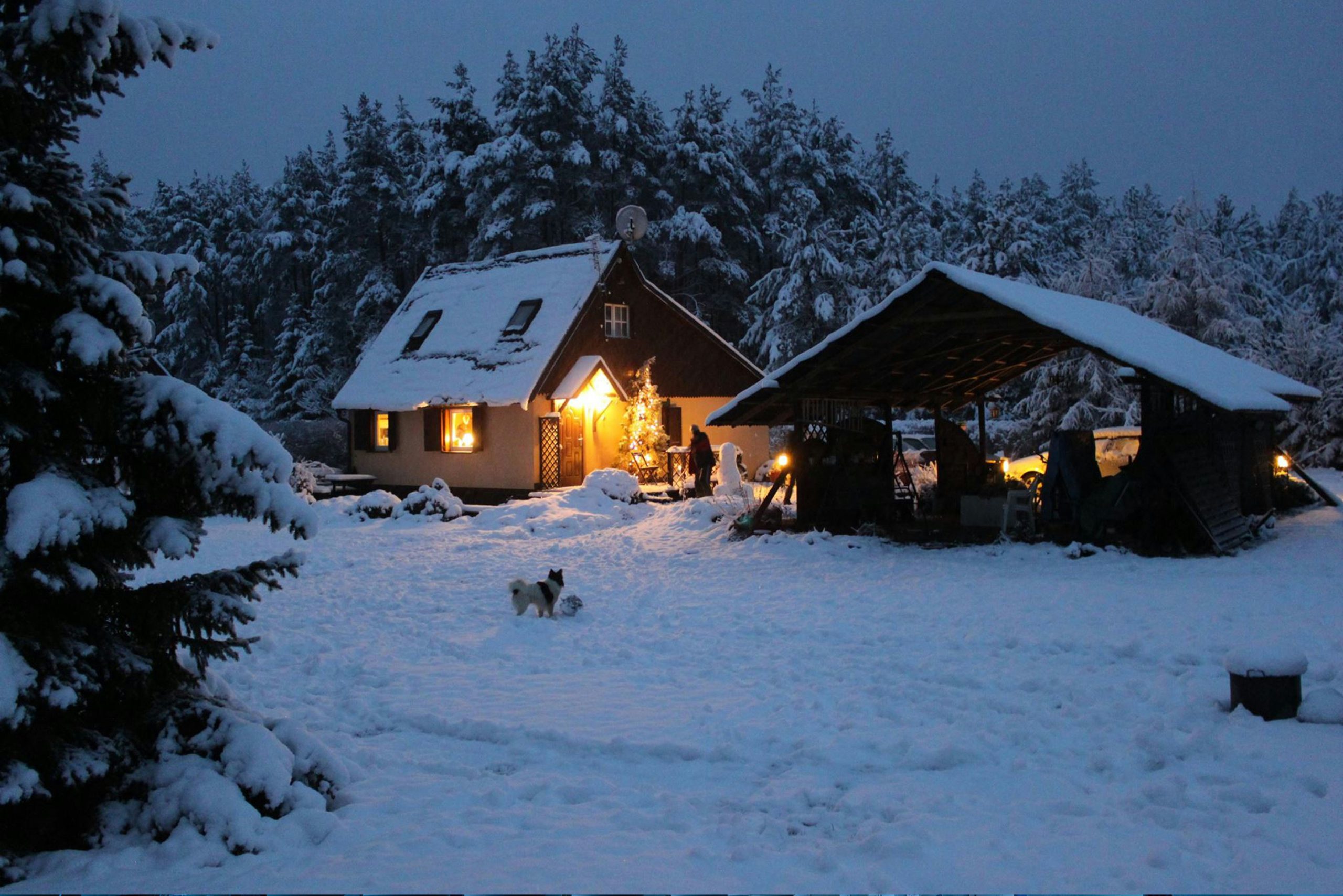
A draft you can feel is a draft that’s costing you on heating, whether that’s a property you live in full-time or a cottage you’re keeping warm through the winter.
Finding the Drafts
The simplest test is also the most reliable: on a windy day, run your hand slowly around the frame of each window and door. Where you feel air movement is where heat is escaping. Weatherstripping around doors is inexpensive and straightforward to replace once it’s worn, cracked, or compressed, and it’s worth checking every fall rather than waiting until it visibly fails.
Sealing Windows and Doors
Windows are usually the bigger job. Caulking around the exterior frame can crack or pull away over time, and older windows may benefit from a plastic film kit for the season if a full replacement isn’t in the budget yet. Don’t forget less obvious spots: where pipes or wiring pass through exterior walls, attic hatches, and the gap around a mail slot or dryer vent all let air through if they’re not sealed.
A well-sealed building doesn’t just save on heating costs. It also reduces the chance of condensation and ice building up around window frames, which over a few winters can lead to more serious moisture damage.
Consider a Home Energy Audit
If you’re not sure where the worst drafts are, some local energy providers and contractors offer a home energy audit, sometimes at low or no cost, that uses a blower door test to find exactly where a building is losing heat.
Have more questions about buying or selling in the area? Visit my FAQ page for answers to what clients ask most.
Preparing Your Furnace or Heat Pump for Winter

Whether you live in your home year-round or you’re closing up a four-season cottage for occasional winter use, a heating system that hasn’t been checked since last spring is not something to find out about on the coldest night of the year.
Start With the Basics
A basic filter change is the easiest place to start, and it’s worth doing this every one to three months through the heating season, not just once in the fall. A clogged filter makes the system work harder and can shorten its lifespan. Beyond that, an annual service call is worth the cost. A technician will check the heat exchanger, clean components, and confirm the system is running safely and efficiently before you’re relying on it daily.
If you have a heat pump, it’s worth understanding how it performs in extreme cold, since some systems rely on a backup heat source once temperatures drop low enough. Knowing when that backup kicks in, and confirming it works, avoids an unpleasant surprise in January.
Don’t Overlook the Small Stuff
Don’t overlook the smaller pieces either: test your carbon monoxide and smoke detectors, and confirm that any vents or exterior intake and exhaust points aren’t blocked by leaves, snow, or nesting material from the summer.
For rural and waterfront properties in particular, where a service call can mean a longer wait than it would in town, getting ahead of this in the fall rather than the first cold snap gives you far more flexibility if something does need attention.
Have more questions about buying or selling in the area? Visit my FAQ page for answers to what clients ask most.
How to Keep Animals from Getting Into Your Cottage Over the Winter

An empty, quiet cottage looks a lot like shelter to a mouse, squirrel, or raccoon once the weather turns. A bit of prevention in the fall is far easier than dealing with an infestation come spring.
Seal Up the Outside
Start on the outside with a slow walk around the whole building, looking for gaps. Mice can fit through an opening the size of a dime, so check where pipes, wires, or vents enter the building, around window frames, and along the foundation. Steel wool or a proper mesh cover works well for small gaps, since animals can chew through simple caulking.
Chimneys and vents need a cap or screen if they don’t already have one, and any roof or soffit vents should be checked for damage that could let something in. Woodpiles stacked against the building are worth moving a short distance away too, since they’re a common entry point and an attractive nesting spot.
Clear Out the Inside
Inside, empty the fridge and cupboards completely rather than leaving anything that could draw attention, and take out the garbage rather than leaving it for the season. Some owners also set a few traps as a precaution, even with no signs of a problem, simply because it’s easier to deal with the odd mouse than a full nest that’s had all winter to grow.
If you’ve had animal trouble in past years, it’s worth having a pest control company do a proper inspection before you close up. Finding the entry point once usually solves the problem for good.
Have more questions about buying or selling in the area? Visit my FAQ page for answers to what clients ask most.
What to Do With the Leaves Around Your Cottage

A thick layer of wet leaves left over winter does more damage than most owners expect, and clearing them before you close up is one of the simpler jobs on the fall list.
Lawn and Gutters
Start with the lawn and any grassed areas. Leaves matted down under snow block sunlight and trap moisture, which can smother grass and encourage mould and fungus by spring. A final mow with the mulching setting, or one more pass with a rake, is usually enough for a seasonal property.
Gutters are the bigger concern. Leaves that pack into eavestroughs block drainage, and water with nowhere to go can back up under the roofline or freeze into ice dams. Clearing them out is one of the most worthwhile hours you’ll spend before closing up.
Protect the Foundation
Keep leaves and other organic debris away from the foundation and any exterior wood, like deck posts or siding, since piled-up leaves hold moisture against these surfaces all winter. The same goes for window wells and any vents or exterior mechanical equipment, like a heat pump, which need clear airflow.
If raking and hauling isn’t practical for a seasonal property, mulching leaves directly into the lawn with a mower is a reasonable shortcut, though gutters and anything against the building still need to be cleared by hand.
Have more questions about buying or selling in the area? Visit my FAQ page for answers to what clients ask most.
Thinking About Converting Your Cottage to a Year-Round Home?

This is a question I hear often from people planning ahead for retirement, or already easing into it, and thinking about turning a beloved three-season cottage into the place they’ll live full-time. It’s absolutely possible, but it’s worth going in with a realistic sense of what’s involved.
What Usually Needs to Change
The foundation and insulation are usually the starting point. A cottage built for summer use often has minimal insulation in the walls, floor, and roof, and a foundation that wasn’t designed to handle frost the way a year-round home’s is. An insulation and building assessment early on will tell you how much of the structure needs upgrading before anything else.
Water and septic systems need the same scrutiny. A seasonal water line that runs above the frost line will need to be replaced or buried deeper, and a septic system sized for occasional weekend use may need to be reassessed for full-time occupancy. Heating is the other major piece, whether that means a new furnace, a heat pump suited to our winters, or supplemental wood heat.
You Don’t Have to Do It All at Once
None of this needs to happen all at once. Many owners convert in stages over a few years, tackling insulation and heating first and water infrastructure as budget allows. If this is something you’re considering, it’s worth having a conversation with a local contractor and, if you’re weighing whether it makes more financial sense to convert or to sell and buy a four-season property outright, I’m always happy to walk through both sides with you.
Have more questions about buying or selling in the area? Visit my FAQ page for answers to what clients ask most.
What to Know About Well Water at a Seasonal Property

Well water is one of the biggest adjustments for buyers coming from the GTA, where municipal water is something you never think about. At a cottage or rural property, the well is yours to understand and maintain.
Types of Wells and Water Quality
Most seasonal properties draw from a drilled well, though some older cottages still use a shallow dug well or draw directly from the lake. Each comes with different considerations for water quality and how easily it can freeze, so it’s worth knowing which one you’re dealing with before you buy, not after. A drilled well is generally the most reliable and least prone to seasonal issues.
Water quality is worth testing, and not just once. I always recommend a potability test during the buying process, and testing again each spring when you open the cottage, since well water quality can shift after spring runoff or heavy rain. Most local health units offer free basic testing, which makes this an easy step to build into your seasonal routine.
Winterizing the Well Line
If the property is three-season and the well line runs above the frost depth, that line needs to be fully drained in the fall along with the rest of the plumbing. A well that’s properly maintained and understood from day one is far less likely to become a source of stress, and it’s one of the first things I walk buyers through when we’re looking at a rural or waterfront listing together.
Have more questions about buying or selling in the area? Visit my FAQ page for answers to what clients ask most.
Protecting Your Dock and Boathouse Over the Winter
Ice is patient, and it doesn’t take a dramatic storm to damage a dock. It’s usually the slow pressure of ice forming, expanding, and shifting through the winter that does the real harm, which is why fall prep matters as much for your waterfront as it does for the cottage itself.
Protecting Your Dock
Floating docks generally need to come out of the water entirely before freeze-up. Left in, they can be crushed or heaved up onto shore by ice movement. If yours is a permanent or crib dock that stays in year-round, ice can still put pressure on the structure, so it’s worth checking with a local dock company about ice guards, bubblers, or de-icers if that pressure has caused damage in past years.
Don’t Forget the Boathouse
Boathouses need their own attention. Clear gutters and check the roof for the same reasons you would on the cottage, and make sure any boat lift or personal watercraft lift is either raised well above the waterline or removed, since ice can just as easily damage a lift as it can a dock.
If you’re new to a waterfront property, your neighbours are often the best source of information here. Ice conditions and shoreline behaviour vary quite a bit even within the same lake, and someone who’s watched that particular stretch of shoreline for a few winters will usually know exactly what your dock needs.
Have more questions about buying or selling in the area? Visit my FAQ page for answers to what clients ask most.